


A diagnosis of dementia does not have to mean the end of independence. In this article, we will explore the use of technology in dementia care, including potential drawbacks and associated costs.
What sort of things can technology assist with?
When considering what technologies may be helpful in the care of an individual with dementia, it is important to have a clear understanding of their care needs. Do they need support communicating? Are they relatively independent but require reminding to take their medication?
Below, you will see that the various technologies available have been divided into the type of support they provide, the format, and the cost.
What's available & how much does it cost?
Communication Aids
1. Talking Mats, App for Desktop/Tablets, from £250 / year for organisations
Talking Mats is an app developed by speech and language therapists and can be downloaded onto a desktop computer or tablet.
The app was created with the ambition of improving the lives of people with communication difficulties by increasing their capacity to communicate effectively about things that matter to them.
In the video below, you will see how 'Talking Mats' has helped James McKillop, who has seen a deterioration in his verbal communication skills due to vascular dementia, continue to communicate effectively with his wife, Maureen.
2. Skype, App for Desktop/Tablets, Free

Skype is a free telecommunications app that allows people to instant message, call, or video chat with other Skype users. The app is easy to use and can be accessed on desktops, tablets, and mobile phones. It has been designed to facilitate both group conversations and one-to-one conversations on the app.
Skype is used by many people with dementia, as it's a great means for them to communicate with friends and family. The video chat facility enables sensory stimulation and has been known to effectively alleviate agitation and feelings of isolation in people with dementia.
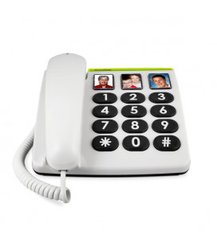
3. Adapted Telephones, From £32.99
Telephones can be adapted to make them easier for people with dementia to use. Some telephones have been pre-programmed so the user can call frequently called people by pressing a button with a photo of the person on it. Other telephones have been adapted to have large buttons and voice/ringing amplification, which are especially useful for people who struggle with their vision or hearing.
Wandering Aids
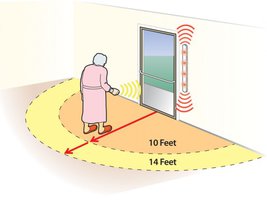
1. Alarm System from £50
Alarm systems can alert designated individuals when a person with dementia has wandered beyond a specified boundary, such as their front driveway. Sensor beam alarms often use infrared movement detectors, which sound an alarm when the beam is broken by a person approaching.
These alarms can give relatives of the person in question reassurance that their loved one is safe. The only downside to alarm systems is that they cannot be used to locate the exact location of an individual who has wandered beyond a set boundary.
2. Tracking Devices, Key Ring/Smartphone App, From £30
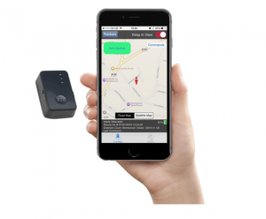
Tracking devices, which utilise satellite or mobile technology, have been developed to enable individuals to monitor the exact location of a vulnerable person. The devices can vary from key rings and watch-based devices to smartphone apps. They are often a resort for carers or relatives who know someone who is at risk of putting themselves in danger by wandering.
Some tracking devices feature a panic button that can be activated by the person being tracked in situations where they feel lost or are in danger. This will send an alert to the person who is tracking them. The location of the vulnerable person is typically displayed on an electronic device, such as a mobile phone or desktop.
It can be a huge weight lifted off someone's shoulders if they know that they can check on their loved ones' whereabouts, wherever they are, at any time of day, from their mobile phone.
Memory and Cognition Aids
1. Phone Calendar Prompts, Free
Calendar prompts can be set on a mobile phone to give people alerts at scheduled times. The alerts may remind the person to take their medication or to attend a Doctor's appointment. Relatives and friends can also add to and update their loved ones' calendars from their own electronic devices.
A significant advantage of phone calendar prompts is that they help individuals with memory difficulties keep track of important tasks and appointments without worrying about forgetting them. Reminders can be set for one-off appointments or to occur at a specific time every day.
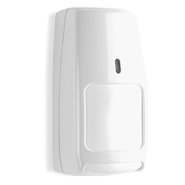
2. Motion Sensors, from £30
Motion sensors can be installed around the home and set to give pre-recorded voice prompts when movement is sensed. For example, people may wish to place a motion sensor by their front door so that they are reminded to lock the door when they leave or return home.
Medication Aids
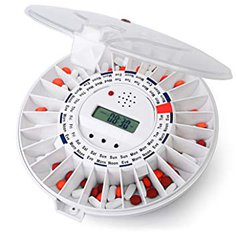
1. Automatic Pill Dispensers, Prices From £6
Automatic pill dispensers are very suitable for people in the more advanced stages of dementia. They are pre-filled and programmed by a pharmacist or somebody close to the individual. Once the pill dispenser has been filled, it is locked. An alarm will then sound at the right time for the pills to be taken. The automated pill dispenser can be set to alert friends and family if the pills have not been taken.
The benefits of automatic pill dispensers are substantial, as they ensure that the person takes their medication on the right day and at the right time, help prevent medication errors, and provide peace of mind to caregivers and the person with dementia.
Safety Aids
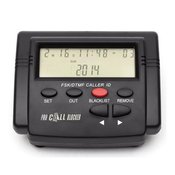
1. Telephone Blockers, Device, From £30
Telephone blockers can be used to prevent cold callers. They allow trusted numbers from friends and family to come through, but unwanted calls will not be able to reach your elderly loved one. Some telephone blockers, such as the 'TrueCall Secure', even have a special dementia setting which can provide 100% protection.
A huge benefit of telephone blockers is that they prevent nuisance callers and scammers from taking advantage of your loved one, who may be in a vulnerable state.
3. Community Alarm, Free (Social Services Provide and install the Alarm)
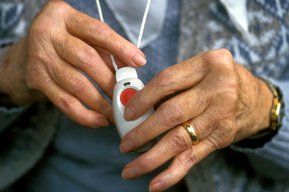
A community alarm is an electronic device provided by Social Services that can be connected to your telephone line. The electronic device, which is a pendant, can be worn around the neck or on a person's wrist. In an emergency, a button on the pendant can be pressed, alerting the Emergency Response Centre that the person requires urgent help.
The alarm provides people with dementia with reassurance that if they need help or have a medical emergency, all they need to do is press the button on the alarm for assistance. The service is available 24/7, which means that help is always on hand. The alarm can also allow a person to live more independently in their own home, as relatives know that they have the means to get help in crisis situations.
Would you like personalised assistance in finding a care service in your area?
Please reach out to one of our friendly Care Advisers today, who will gladly assist you in shortlisting suitable services at no cost!
Call us on 01865 638018
Send message