



A care specialism is an area of activity, work or study that a care service concentrates on or is an expert in.
This article will identify & explain the 10 different types of specialisms that you may come across whilst browsing care provider profiles on TrustedCare.co.uk.
Care Specialisms

Dementia Care
A care service that specialises in dementia care will have staff who are trained in caring for people who are living with dementia.
Care/nursing homes may have adaptations around the home to make life easier for their residents who are living with dementia, such as:
- Signs on doors/walls etc
- Sensory rooms
- Specialist dementia unit
- An activity coordinator specialising in dementia-friendly activities

Day Care
Some care homes offer day care services to those who are still living at home but may need companionship to prevent them from becoming bored or lonely.
Day care involves stimulating activities, companionship and care in a safe environment whilst enabling older people to maintain their treasured independence.

EMI
The abbreviation EMI stands for Elderly Mentally Infirm and is now often referred to as dementia nursing care. It refers to older people who have mental health difficulties or frailties, including Alzheimer's and other types of dementia. Care services that offer EMI care are able to care for older people who have advanced dementia and require 24/7 care in a safe environment.
EMI nursing homes often have a secure dementia unit for residents to help keep them safe.

Learning Difficulties
Care services that specialise in learning difficulties have staff who are trained to care for those with additional learning needs. People who have learning difficulties find it more difficult to learn new things throughout their lifetime, which can affect their ability to cope independently without support.
The severity of learning difficulties varies greatly, and they are often categorised as mild, moderate, or severe. Those who have moderate to severe learning difficulties are more likely to require support throughout their lives.

Old Age (65 + years)
Self-explanatory, care services that offer care for over-65-year-olds are trained to care for older people. Generally speaking, older people may need support with meals, companionship, medication administration, and personal care, amongst other day-to-day tasks.
As people age, it is normal for them to become frailer, slower, and lose muscle, which naturally makes simple tasks increasingly challenging.
Many care services are able to care for over 65 year old's as this is the age range that people tend to require more support.

Under 65 Years
A care service registered for under-65-year-olds can care for adults who have care requirements a little earlier than the vast majority of people. This may be because they have been diagnosed with an illness or condition or have had an accident that has affected their ability to live independently without support.
Younger Adults (18-25)
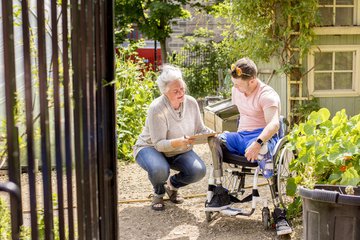
Some care services specialise in caring for younger adults aged between 18-25 years who have care requirements preventing them from living independently. They will have staff who have been specially trained in caring for younger people.
Younger adults requiring care are likely to have a medical condition, a learning disability, have had an accident or have a physical disability.
Physical Disabilities
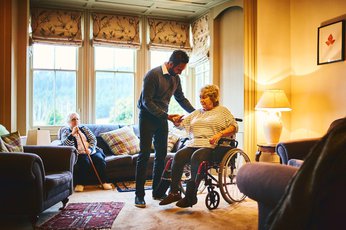
Care services specialising in physical disabilities have staff who are trained to care for those who have mobility issues. For instance, they will be able to care for people who are wheelchair-bound or require hoisting.
Care homes that cater for physical disabilities will make appropriate adjustments around the home, such as fittings in bathrooms, to make life easier for residents.

Respite Care
Respite care is short-term care. Typically, it lasts 2-4 weeks to give a person's main carer a break or while family members go away on holiday.
Respite care can be provided in a residential setting or in the person's own home with the help of home care/live-in Carers.

Palliative Care
If a care service provides palliative care, it can care for those nearing the end of their lives. Care services are trained to make a person's final days as comfortable and fulfilling as possible. The support that palliative care provides extends to the family, friends, and carers of the person who requires care.
Are you looking for care for a loved one? We can help you find suitable care providers!
Call us on 01865 638018
Send message